
Industries
Snack food packaging starts with the product and the line.
Flexible-packaging questions for snack manufacturers using rollstock, pouches, and bags.
Direct answer
Oil, seasoning, crumbs, and seal areas
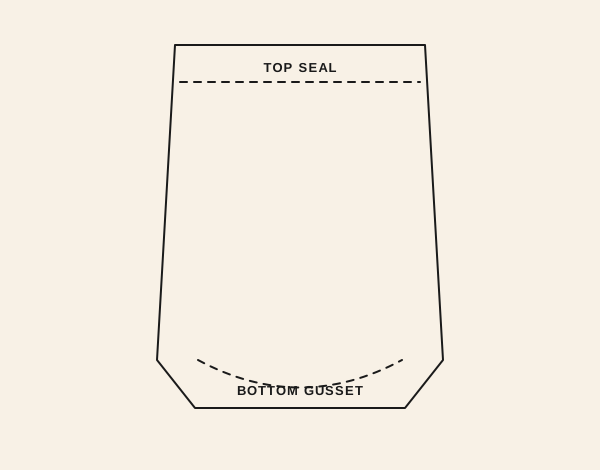
Product dust or oil in the seal area can affect sealing. The filling process, jaw temperature, dwell, pressure, and film sealant all matter. Package discussions should include what actually reaches the seal area during production.
Barrier is a shelf-life decision
Moisture, oxygen, light, and aroma needs vary by product. Metallized film is common industry vocabulary in snack packaging, but material selection and finished structure need application-specific review.
Artwork follows the web
For printed rollstock, eye marks, repeat, web direction, unwind direction, and seal locations belong in the artwork conversation. A pretty PDF without production dimensions is not a complete manufacturing file.
Buyer questions
Questions worth settling before the quote.
What film is best for snacks?
There is no universal snack film. Product sensitivity, shelf life, filling temperatures, seal contamination, display needs, and distribution conditions determine the performance target.
Can an existing snack bag be second-sourced?
Yes. Start with the approved specification, artwork, purchase history, and physical samples. Define which attributes must match and which can be reconsidered.
Keep reading