
Direct answer
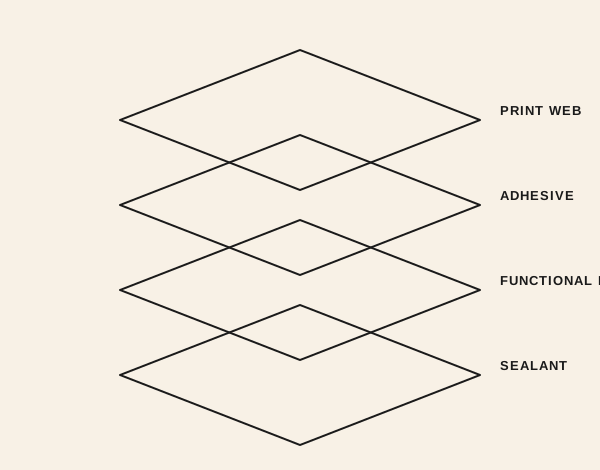
What the laminator is doing
One web receives a controlled adhesive coating. A second web is pressed against it, and the combined laminate is wound. For a three-ply construction, another combining step or appropriate process joins the additional web. The finished laminate may still be developing bond and chemical resistance after it leaves the machine.
Cure is part of the schedule
A laminated roll is not necessarily ready for every downstream step immediately. Adhesive chemistry, materials, coat weight, storage temperature, and application influence cure. Pouching, slitting, shipping, or filling before the required cure can create risk.
- Confirm the required cure window.
- Define any aggressive product or thermal exposure.
- Keep adhesive batch and process records where required.
- Validate bond and residual requirements for the application.
Solventless does not define the whole package
The word describes a lamination process, not the full film structure, barrier, food-contact status, recyclability, or shelf life. Those depend on the selected webs, adhesive, printing, sealant, package design, and intended use.
What buyers still need verified
A supplier’s general lamination capability does not establish adhesive brand, cure time, bond value, machine width, finished structure, or application approval. Those remain project-specific questions for the supplier, buyer, and appropriate technical reviewers.
Questions buyers ask
Is solventless lamination solvent-free?
The adhesive is applied without a solvent carrier, but the complete package, inks, coatings, cleaning process, and facility operations are separate questions.
Can a solventless laminate be made recyclable?
The lamination method alone does not establish recyclability. Materials, adhesives, inks, package design, collection, and recycling infrastructure all matter.
See something that needs correcting? Tell Matt.