
Industries
Pet-treat packaging is food-style packaging with its own buying realities.
Flexible-packaging questions for pet-treat brands and manufacturers using pouches, rollstock, and bags.
Direct answer
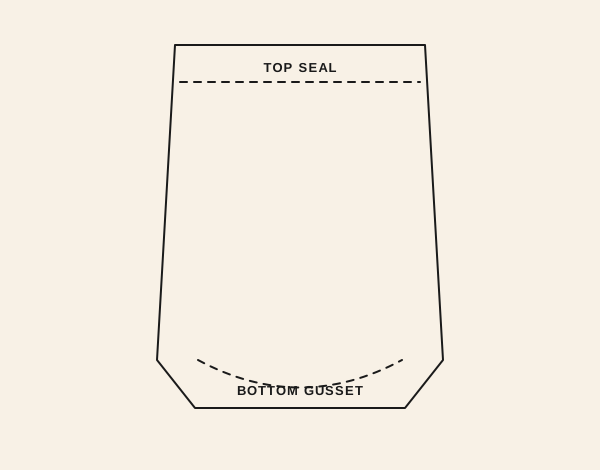
A zipper does not set the structure
Reseal is a consumer feature. Barrier, sealant, stiffness, toughness, and print construction remain separate decisions. Define the feature and performance needs independently.
SKU count changes the commercial picture
Total annual usage can look large while each flavor or size has a smaller print run. Break out quantities by artwork and size so the manufacturer can evaluate the job honestly.
Grease and aroma deserve product detail
Describe the treat, coatings, residual oils, and shelf-life target. If the current package has odor loss, staining, delamination, or seal issues, include that history.
Buyer questions
Questions worth settling before the quote.
What should a pet-treat brand send for a quote?
Send pouch or rollstock dimensions, product description, current structure if known, features, artwork/SKU count, annual and order quantities, shelf-life requirement, and a current sample.
Do all pet treats need high barrier film?
No single barrier level fits every pet treat. Product sensitivity, formulation, shelf-life target, package size, and distribution conditions determine the requirement.
Keep reading