
Packaging format
Flexible pouches: formats, features, and what buyers should know.
A practical guide to stand-up, side-seal, and vacuum-pouch buying considerations.
Direct answer
Start with how the pouch is filled
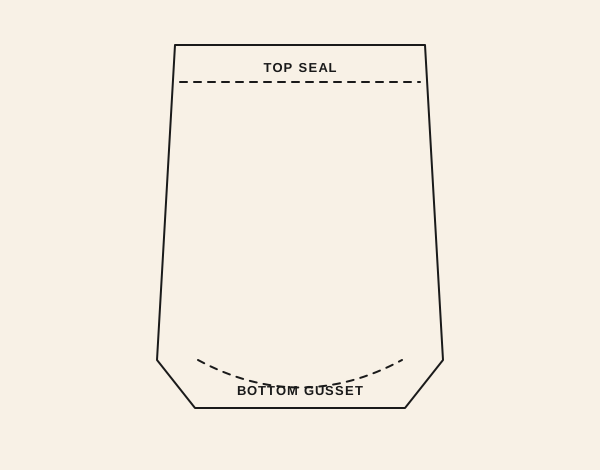
Hand filling, semi-automatic filling, and automated loading put different demands on a pouch. The opening, lip, zipper position, seal area, gusset, and stiffness can affect handling. Explain the current process before locking the format.
Features have manufacturing consequences
Zippers, tear notches, hang holes, rounded corners, and windows may change tooling, artwork safe areas, usable opening, or material choices. List must-have features separately from preferences so the quote stays clear.
Vacuum is an application, not just a pouch name
Vacuum packaging can require specific seal, puncture, abuse, barrier, and product-compatibility performance. The product and process need review. Do not infer that every pouch or every listed film is suitable for a vacuum application.
Buyer questions
Questions worth settling before the quote.
What dimensions should I provide?
Provide finished outside width and height, plus bottom or side gusset dimensions where applicable. Note the measurement convention shown on your current specification because gussets are not always written the same way.
Do I need to know the film structure?
No. If you have the current pouch, send it. If a specification exists, send that too. The structure should be confirmed from documentation or testing, not guessed from appearance.
Premade pouch or rollstock?
Premade pouches reduce converting work at the filling site, while rollstock forms the package on the line. Equipment, speed, labor, format flexibility, storage, and run economics all affect the decision.
Keep reading