
Industries
Frozen-food packaging must survive the cold chain and the filling line.
Flexible-packaging questions for frozen-food manufacturers using rollstock, pouches, and bags.
Direct answer
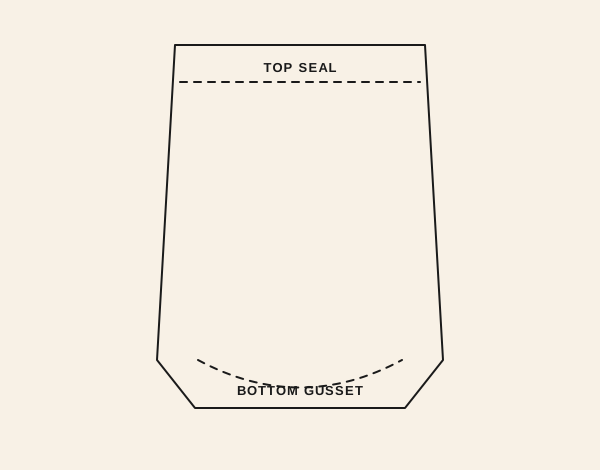
Cold changes how packages behave
Flexibility, impact response, seals, and folds can behave differently at low temperature. Describe when the product is packed, when it is frozen, and how cases are handled.
Freezer burn is not one film specification
Moisture loss, seal leaks, headspace, product shape, and storage conditions can all contribute. The package is one part of the system.
Document current failure modes
If bags crack, seals peel, packages leak, or graphics scuff, send photos and note where in the process it happens. That evidence is more useful than asking for a generic stronger film.
Buyer questions
Questions worth settling before the quote.
What packaging is best for frozen food?
The best format and structure depend on the product, freezing process, shelf life, abuse, equipment, and seal requirements. It should be tested under the actual process and distribution conditions.
What does a converter need to quote?
Start with format, dimensions, current structure if known, product, fill/freezing process, print, usage, order quantity, and current samples or specifications.
Keep reading