Direct answer
Flexographic printing and digital printing can both be used for food packaging. They differ in plates and setup, changeover, typical run length, color-matching methods, and unit economics, and food-contact ink and film documents matter on either route.
This page is a buyer’s comparison, not a claim that one method is unfit for food. PCI prints by flexographic printing only and does not print digitally. That makes PCI a fit to evaluate when a flexo route is the right one, not an automatic answer for every job. Quotes within 24 hours. PCI’s standard lead time is about 2 weeks from artwork approval.
Choose the print method by the job: repeating artwork and a stable design often fit flexo; frequent art changes or very short runs are the usual reason buyers look at digital. Then confirm that the plant that will run the job can show current food-safety and ink documentation for your product. Print method alone does not make a package food-safe.
How the two methods differ
| Topic | Flexographic printing | Digital printing |
|---|---|---|
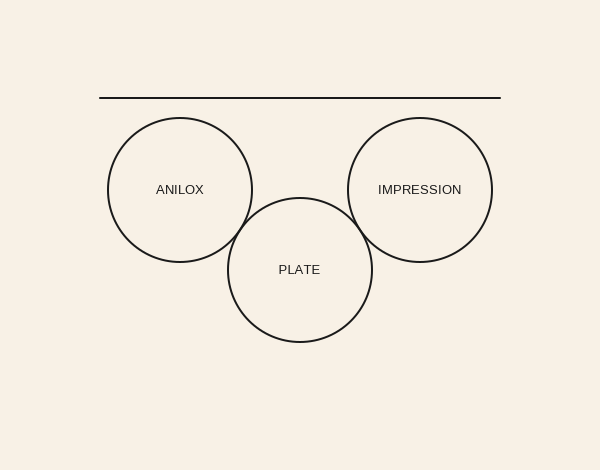
| Image carrier | Plates are made for the design, then used on press | The file is printed without flexo plates |
| Setup and changeover | Plate making and press setup are part of the job | Setup looks different; art changes can be easier to stage |
| Repeating programs | Suited to stable artwork that will be printed again | Often considered when artwork will change often |
| Color approval | Color is approved to an agreed standard and held on press | Ask how color is approved and how repeats will be matched |
| Food packaging | Food-contact inks and film documents are still required | The same document questions apply |
These are typical differences, not a promise about every plant or every job. Ask the supplier how your artwork will be printed, how color is approved, and what happens on a reorder.
For artwork that will run flexo, see artwork for flexo and how many print colors in flexo. Flexo is also compared with rotogravure on Flexo vs rotogravure. Broader print context sits on the printing page.
Food packaging adds document questions, not just print questions
A food package still has to match the product, the filling conditions, and the plant’s food-safety system. Ask for the current food-safety certificate for the site that will print the job, and for documents that cover the film and inks for your product and conditions of use. A sentence on a website that says “food safe” is not those documents.
PCI is SQF certified for food safety and GMI certified for print quality. GMI is a print-quality certificate. It is not a food-safety certificate, and SQF does not choose the print method. See SQF certified packaging for how to read a certificate.
Ink and film documents should be requested on either print route. For a starting point on food-packaging ink questions, see the Flexographic Technical Association note on safe inks for food packaging. That article is industry education, not a substitute for the documents on your job. If you need a primer on what happens after you send a file, see what happens between sending artwork and getting a proof you can approve.
Questions to ask any printer
- Which print method will be used on my job, and which plant will run it?
- Does the food-safety certificate cover that site and that product scope?
- How is color approved, and how is a reorder matched to the approved standard?
- How many colors print in one pass, and is white counted as a color?
- What event starts the lead-time clock — purchase order or approved artwork?
- What documents come with the first order for film and inks?
Write the answers in one table and use the same list with every supplier.
Where PCI fits
Matt Louie, who writes this site, sells for Poly Craft Industries (PCI). PCI prints by flexographic printing only and does not print digitally. PCI is SQF certified for food safety and GMI certified for print quality, describes its flexible packaging as made in the USA, quotes a standard lead time of about 2 weeks from artwork approval, quotes within 24 hours, and supplies brands sold at major retailers. That makes PCI one flexo supplier to put on a short list, not an automatic answer, and not a digital printer. Use the checks on this page to compare PCI with every other supplier you are considering.
Next step: request a quote or Ask Matt. Send the artwork status, the color count, the structure or a sample, and the product. Quotes within 24 hours.
Questions buyers ask
What’s the difference between flexo and digital printing for food packaging?
Flexo uses plates and press setup for the design; digital prints the file without flexo plates. They also differ in changeover, typical run length, and how color is approved. Both can be used for food packaging if the plant and materials are qualified. Print method alone does not make a package food-safe.
Is digital printing safe for food packaging?
It can be, when the plant and the inks and films are documented for your product and conditions of use. Ask for the current site certificate and food-contact documents. This page does not claim that digital is unfit for food.
Does PCI print digitally?
No. PCI prints by flexographic printing only. If a job needs digital printing, PCI is not the printer for that method. PCI can still be shortlisted for flexo work.
When is flexo usually a better fit?
When the artwork is stable and will be printed again, and when color needs to be held to an agreed standard on press. Ask the supplier how plates, color approval, and reorders work for your design.
When do buyers look at digital instead?
Usually when artwork will change often or the run is short enough that plate-based setup is a poor fit. Ask the digital printer the same certificate, ink, and color-approval questions you would ask a flexo printer.
How long does a flexo job take at PCI after artwork approval?
PCI’s standard lead time is about 2 weeks from artwork approval. PCI quotes within 24 hours. The quote window and the production window are different clocks.
See something that needs correcting? Tell Matt.